Introduction: What Is Vaccination and Why Is It Important?
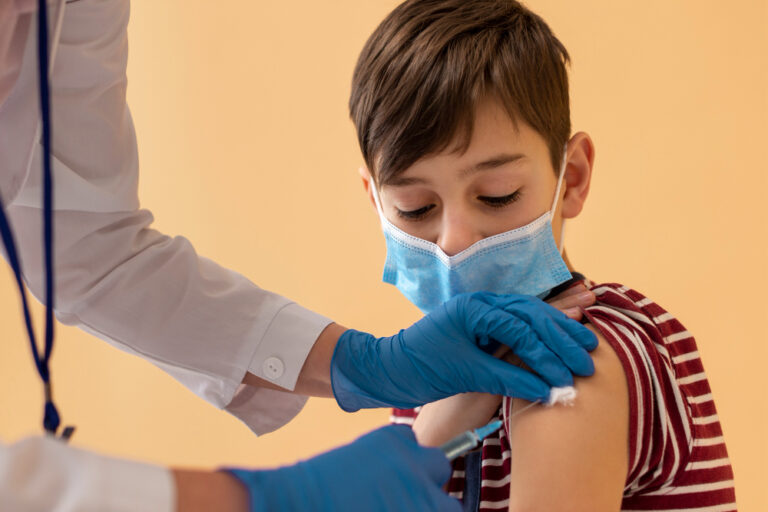
Vaccination is a simple way to protect children from serious diseases. It uses safe, tiny amounts of germs or parts of germs to help the body build defenses. Because of vaccines, many illnesses that once harmed children are now rare. In fact, the benefits of vaccination in children are seen worldwide. Vaccines help keep kids healthy, safe, and ready to grow. For parents, understanding why vaccinate kids is key to making informed choices.
Primary Benefits of Childhood Vaccination
Vaccines offer many advantages for children and their communities. Here are the main benefits:
How Do Vaccines Work?
Vaccines teach the body’s immune system to fight germs. First, a vaccine introduces a harmless piece of a germ. Then, the body learns to recognize and attack the real germ if it appears later. Because of this, vaccinated children are ready to fight off diseases quickly. This process is safe and does not cause the illness itself.
Safety and Effectiveness of Pediatric Vaccines
Many parents worry about vaccine safety. However, vaccines are tested for years before use. Health experts like the CDC and WHO check vaccines to make sure they are safe and work well. Most side effects are mild, such as a sore arm or slight fever. Serious problems are very rare. In addition, vaccines are much safer than the diseases they prevent. Pediatric vaccine safety is a top priority for doctors and scientists.
Myths vs. Facts About Childhood Vaccination
There are many myths about vaccines. Let’s look at the facts:
Guidance for Parents: Tips and Reliable Information
Staying on schedule with childhood immunizations is important. Here are some tips for parents:
Conclusion: Protecting Your Child’s Future
In summary, the benefits of vaccination in children are clear. Vaccines prevent disease, protect communities, and save lives. They are safe, effective, and help children grow up healthy. For the best protection, follow the vaccine schedule and talk to your doctor. Consult your pediatrician for personalized vaccination advice.